Behavioural
Health Services

The difference we aim to make

Our Impact

Progress that matters to the person.

A safer day, a trusted relationship, a new skill. Our aims centre on changes that can make everyday life more stable, connected and hopeful.

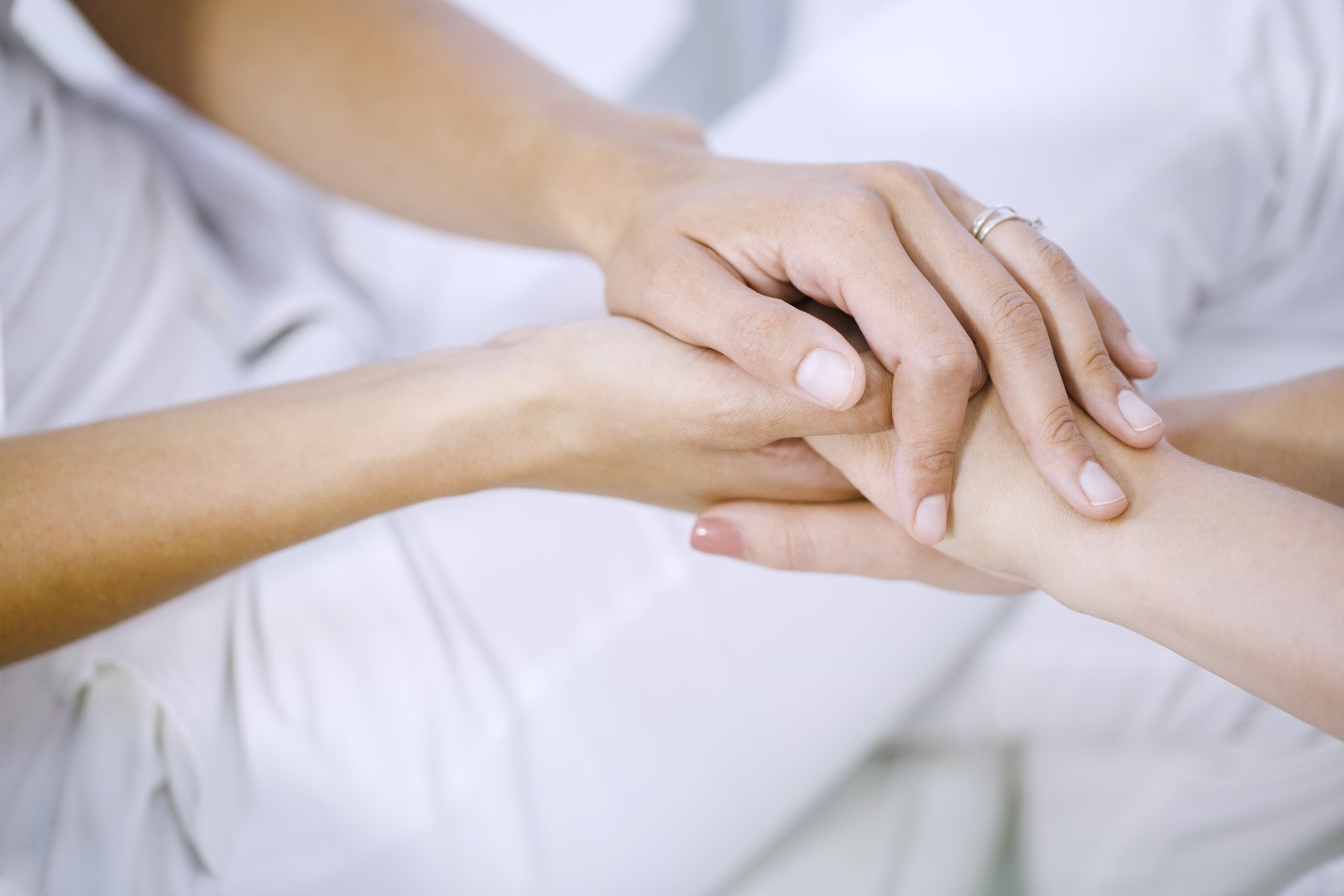
Hands held together in support

Our aims, not a claim of results

The outcomes below describe what our work seeks to support. They are not reported achievements or evidence that every young person will experience the same changes. Progress is personal, shaped by circumstances and rarely a straight line.

Intended outcomes

Safety & Stability

We aim to help young people move away from harmful situations and towards safer surroundings, dependable support and more manageable routines.

  • Feeling safer in everyday life.
  • Access to support around housing and immediate needs.
  • Greater consistency in routines and supportive relationships.

A question to reflect on

What feels safer or more predictable than before?

Intended outcomes

Emotional Wellbeing

We aim to create space for young people to understand distress, develop coping skills and strengthen their sense of self-worth.

  • Recognising emotions and sources of distress.
  • Finding coping approaches that feel useful.
  • Feeling heard and more able to ask for support.

A question to reflect on

What helps when things feel difficult?

Intended outcomes

Learning & Independence

We aim to help young people build on their strengths, access learning and develop practical skills at a pace that reflects their needs.

  • Confidence in learning and trying new tasks.
  • Developing communication and everyday living skills.
  • More involvement in decisions and personal goals.

A question to reflect on

What would you like to do more confidently or independently?

Intended outcomes

Positive Relationships & Community Participation

We aim to support relationships that offer respect and belonging, and opportunities to take part in education, work and community life.

  • Building trust and recognising healthy boundaries.
  • Connecting with supportive people.
  • Taking part in activities that feel meaningful.

A question to reflect on

Where do you feel connected, valued and included?

Understanding progress

Listen first. Look at the whole picture.

A thoughtful approach to evaluating support starts with the young person’s own priorities. These principles describe how progress can be understood; they do not imply that a particular measurement system is already in place.

Start with what matters

Ask about strengths, concerns and goals in the young person’s own words. Small changes may be significant even when they are not easy to count.

Notice changes together

Consider everyday experiences alongside learning, relationships and practical skills. Include families, carers and relevant professionals where appropriate.

Make room to reflect

Look at what feels helpful, what remains difficult and what might need to change. Setbacks are part of the picture, not a reason to stop listening.

A shared conversation about progress.

For questions about programme aims or how support may relate to a young person’s needs, speak with our team.